Diamond Education7 min read
Lab Grown vs Natural Diamonds
They are the same stone under the microscope. The difference is origin, price, and what you value.
Published · Updated
They are the same stone under the microscope. The difference is origin, price, and what you value.
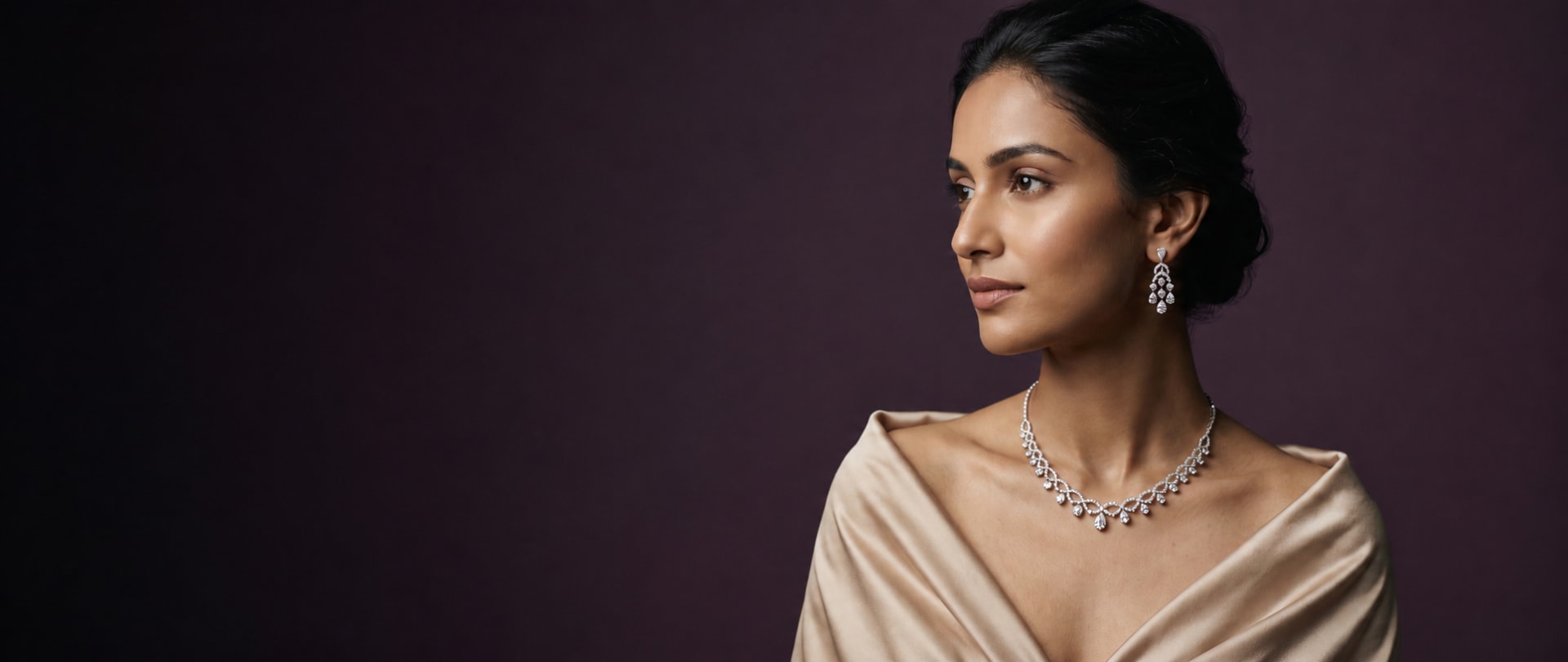
A lab grown diamond is a real diamond. It has the same carbon crystal structure, the same hardness, the same fire and brilliance as a diamond pulled from the earth. Under a loupe, a jeweller cannot tell them apart — the distinction is made only with specialised equipment, and it is a distinction of origin, not of quality.
| Lab Grown | Natural | |
|---|---|---|
| Composition | Crystallised carbon | Crystallised carbon |
| Formation | 2–4 weeks in a lab | 1–3 billion years |
| Certification | IGI / GIA graded | IGI / GIA graded |
| Price (same 4Cs) | 60–80% lower | Benchmark |
| Resale / buyback | Lower, improving | Established |
The headline is price. For the same carat, colour, clarity and cut, a lab grown diamond typically costs 60–80% less than a natural one. That gap is the entire reason the category exists — it lets you buy a visibly larger, cleaner stone for the same budget.
Whether lab grown or natural, a diamond is graded on the same four attributes. Do not let the origin debate distract you from them.
Choose lab grown if you want the largest, cleanest stone for your budget and you see jewellery as adornment rather than an asset. Choose natural if legacy, rarity and long-term resale matter more to you than carat-per-rupee. Neither is 'better' — they answer different questions.
Buy the stone you will actually wear, certified, at a price you can see broken down line by line. Origin is a preference. Transparency is not.
Every Diava piece is made to order in your choice of lab grown or natural diamond, with a full price breakup before you commit.
Design your pieceEvery question about your piece gets a real answer — from people who have made diamond jewellery for three generations.
Ask on WhatsApp